Russia’s intelligence services ordered an arson attack on premises used by Milrem Robotics in Tallinn, Estonia’s domestic security agency has concluded.
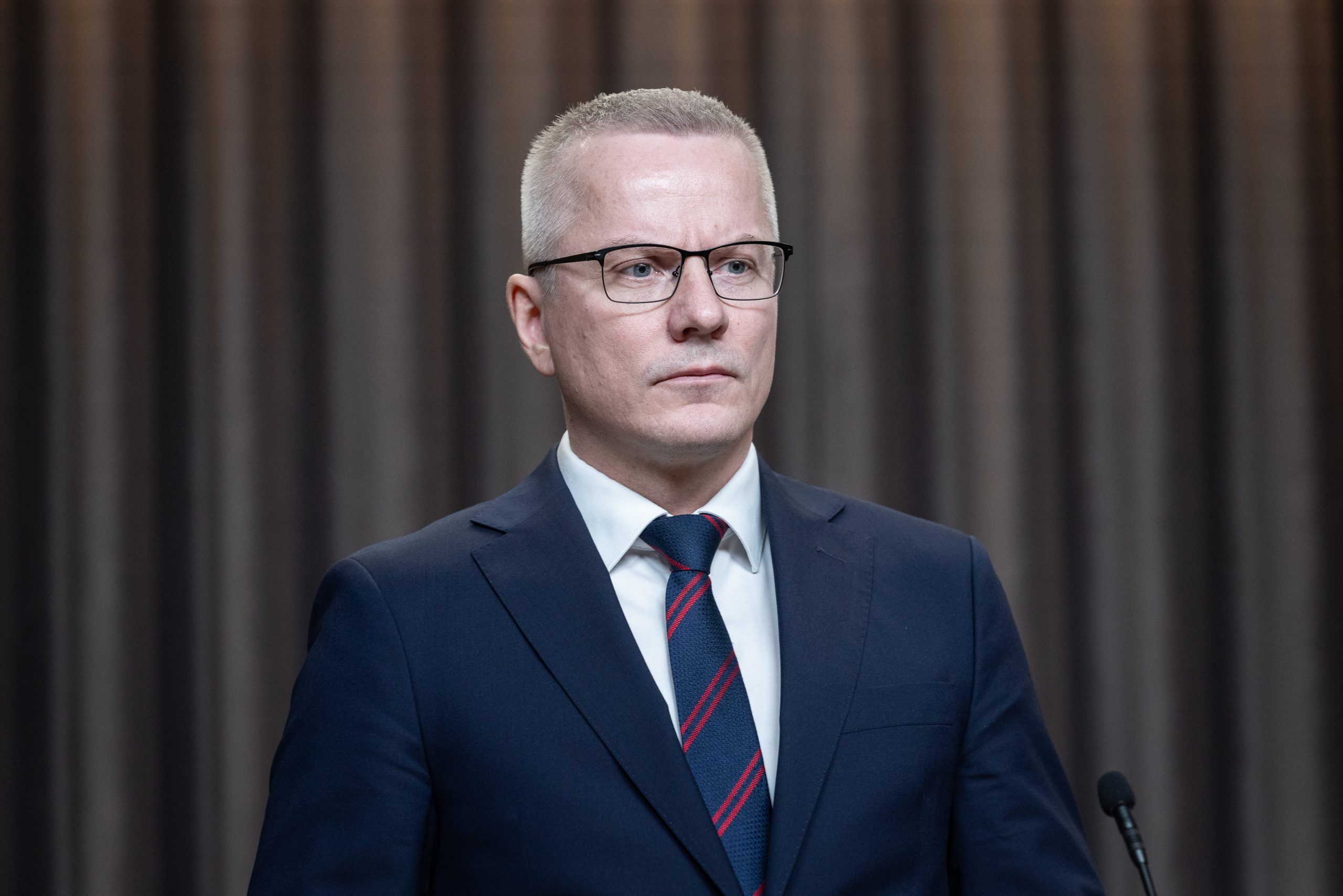
The fire, which broke out in the early hours of 15 August, was the first Russian-sponsored attack in Estonia this year to evade the authorities and be successfully carried out, according to Margo Palloson, the director-general of the Estonian Internal Security Service, known as Kapo.
The Estonian foreign ministry said it would summon Russia’s chargé d’affaires over the attack.
“Today we can say with complete certainty that the arson attack on Milrem was an act of sabotage commissioned by the intelligence services of the Russian Federation,” the Estonian prime minister, Kristen Michal, said.
“Kapo reached this conclusion after thoroughly assessing the information it had gathered.”
Three Latvian suspects in custody
A criminal investigation into the circumstances of the attack is continuing, although preliminary evidence also points to it having been carried out on commission.
The fire started in a building used by Milrem Robotics on Betooni Street in Tallinn’s Lasnamäe district. Emergency services brought it under control quickly and no one was injured.

Two Latvian citizens suspected of carrying out the attack were arrested in Latvia on 17 August. A third suspect was detained the following day.
Searches of premises connected to the suspects uncovered numerous data-storage devices and items believed to have been used in the attack. Latvia transferred the three suspects to Estonia on 17 and 18 September. They remain in custody.
Palloson said Russia had made other attempts to organise attacks in Estonia this year, but that most had been thwarted.
“Russia is constantly drawing up plans, looking for opportunities and trying to find people willing to carry out attacks,” he told the Estonian Public Broadcasting.
“But this does not happen unopposed. Kapo is working – and working very effectively. We have prevented the great majority of these attacks.”
He declined to give details of the plots that had been disrupted, saying Kapo’s task was to identify and stop them at an early stage.
Russia recruits unwitting proxies
Russian intelligence services had attempted to recruit people from a wide range of backgrounds, Palloson said. They included members of Estonia’s Russian-speaking community, people connected to organised crime and recruits from other countries.
He pointed to the arson attack on the Slava Ukraina restaurant in Tallinn last year, which was carried out by people recruited in Moldova. The suspects in the Milrem case came from Latvia, while people living in Russia and able to travel had also taken part in previous attacks.
Money was usually the principal motive.
“Those who accept these assignments see them as an easy way to make money,” Palloson said. “In reality, they do not understand the seriousness of what they are doing, and Russian intelligence services often use them as unwitting proxies.
“They do not tell people that they are from the Russian intelligence services or that the attack is being carried out on their behalf.”
Michal said the arson attack formed part of a wider Russian campaign in Europe intended to intimidate governments into reducing their support for Ukraine and easing pressure on Moscow.
He said Estonia was strengthening its preparedness and internal security in response.
Palloson warned that organisations supporting Ukraine and companies working in the defence industry faced a heightened threat.
“Russian intelligence services continue their efforts to recruit and influence people across Europe, including for the purpose of carrying out acts of sabotage,” he said.

Kapo has advised potential targets to strengthen both their physical and cyber security. Palloson said Estonia’s security agencies were closely monitoring Russian activity and working with domestic companies and international partners to prevent further attacks.
“Estonia is a safe country and our aim is to ensure that it remains so,” he added.
The Kremlin dismissed the accusation as groundless.
“Such statements are unfounded and ill-considered, bear no relation to reality and are entirely without justification,” Dmitry Peskov, the Kremlin spokesman, said. “We therefore cannot and will not take them seriously.”
Defence companies urged to tighten security
Kalev Koidumäe, the head of the Estonian Defence and Aerospace Industry Association, said companies supporting Ukraine were already in Russia’s sights.
“Every company supporting Ukraine is, in one way or another, of interest to the Russian Federation, which seeks, wherever possible, to disrupt and obstruct this activity,” he said.
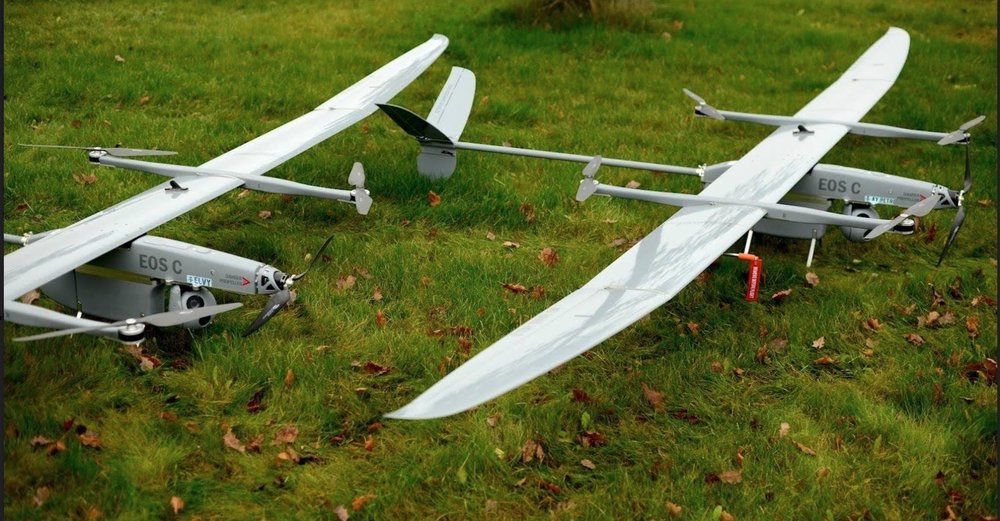
Since the Milrem attack, the association has worked with Estonia’s security agencies to help defence companies draw up risk-mitigation plans.
Koidumäe said companies needed to review their physical security, including perimeter protection and access controls, as well as their handling of data. Staff involved in developing defence technology could also become targets.
The association has called for access to some information in Estonia’s commercial register to be restricted on security grounds. The addresses and ownership details of many defence companies can presently be found online.
Milrem Robotics supplies THeMIS unmanned ground vehicles to Ukraine in partnership with other European Union countries.